Exploring the Beauty and Utility of Bolete Mushrooms in Art and Design
Welcome to a world where nature’s artistry meets human creativity. In this article, we’ll delve into the enchanting realm of bolete mushrooms—also known as ceps—and how their unique aesthetics have been captured in hand-drawn watercolor illustrations. These detailed and vibrant mushroom designs are not only visually stunning but also incredibly versatile for various creative applications.
What Are Bolete Mushrooms?
Bolete mushrooms, or ceps, belong to the Boletaceae family and are some of the most recognizable fungi in temperate forests worldwide. They’re typically found during the autumn months and are characterized by their fleshy stems, pores instead of gills on the underside of the cap, and often a distinctive red, yellow, or brown network (reticulum) on the stem.
The most famous species among them is the Porcino, which includes the highly sought-after Boletus edulis (king bolete). Boletes are prized in culinary circles for their earthy flavor and meaty texture, making them perfect for fall dishes such as risottos, soups, and stews.
Common Types of Bolete Mushrooms
- Xerocomus badius – Known for its reddish-brown cap and yellow pores.
- Leccinum scabrum – Features a dark stem with small warts and a grayish cap.
- Suillus luteus – Often has a slimy cap and yellow staining flesh when cut.
- Lepista nuda – Also called the wood blewit, it has a pale blue stem and purple-brown spore print.
- Tricholoma – A genus that includes both edible and poisonous varieties, so caution is needed.
- Matsutake – Highly valued in Japanese cuisine for its aromatic flavor.
- Hutsul and Korban – Popular in Eastern European and Central Asian cuisines, especially in Ukraine and Georgia.
The Role of Bolete Mushrooms in Autumn Forest Ecosystems
Autumn forests come alive with color and activity, and bolete mushrooms play a vital role in these ecosystems. As decomposers, they help break down organic matter like fallen leaves, twigs, and dead wood, returning essential nutrients to the soil. This process supports the growth of other plants and contributes to the health of the forest floor.
In addition to their ecological function, boletes are symbiotic partners to many tree species. For example, the king bolete forms mycorrhizal relationships with oak and chestnut trees, helping them absorb more water and minerals from the soil. This mutualistic bond is crucial for the survival of both the fungi and the trees.
Autumn Forest Floor Elements in Mushroom Illustrations
When creating realistic and immersive mushroom artwork, it's important to include the surrounding elements that make up the forest floor. This collection features:
- Dried leaves in warm autumn tones
- Twigs and branches with natural textures
- Lichen-covered rocks and bark
- Sphagnum moss and horsetail swamp plants
- Fir and pine tree needles
- Wood log pieces with weathered surfaces
- Grass blades and small forest snails
These details bring the scene to life, offering an authentic representation of where boletes thrive.
Why Watercolor Illustrations of Bolete Mushrooms Stand Out
Watercolor is a medium that beautifully captures the softness and depth of natural subjects. When used to illustrate bolete mushrooms, it allows for subtle gradations in color and texture, mimicking the real-world appearance of these fungi under different lighting conditions.
This collection of illustrations is drawn by hand using natural mineral pigments, ensuring rich, vibrant hues and a deep sense of realism. The granulation effect of watercolor adds dimension and uniqueness to each piece, making them ideal for design purposes where visual appeal is key.
Advantages of Hand-Drawn Watercolor Artwork
- Authenticity: Hand-drawn illustrations convey a personal touch and artistic flair that digital renderings may lack.
- Vibrancy: Natural pigments produce intense colors that reflect the true essence of the subject.
- Texture: The watercolor technique allows for varied textures, such as the roughness of bark or the delicate fluffiness of moss.
- Resolution: Each file is high-resolution, preserving the intricate details of the original artwork.
Applications of Bolete Mushroom Illustrations
With their vivid colors and organic feel, bolete mushroom patterns and compositions can be used in a wide range of creative fields. Here are some popular uses:
Gourmet and Artisan Food Packaging
Edible mushrooms are a symbol of gourmet cuisine, and incorporating bolete illustrations into packaging can elevate the perceived quality and natural authenticity of your product. Whether you're designing labels for olive oil infused with wild boletes or packaging for dried porcini, these visuals speak volumes about the ingredients inside.
Forest Preserves and Nature-Themed Products
If you work in conservation or promote eco-friendly products, bolete mushroom designs can serve as a beautiful reminder of the importance of protecting our natural spaces. They add a seasonal and educational element to items like posters, brochures, or merchandise related to national parks and forest reserves.
Spice Jars, Recipe Cards, and Apothecary Items
Boletes are often paired with herbs and spices in traditional recipes. Using these mushroom illustrations on spice jars or recipe cards can create a cohesive and thematic presentation. Additionally, they're well-suited for apothecary-style products like herbal tinctures, wellness teas, and organic skincare items.
Candles and Cosmetics
Natural themes are trending in the beauty industry. Mushroom-inspired candle labels or cosmetic packaging featuring boletes can evoke a sense of purity, earthiness, and connection to nature. These visuals are especially fitting for organic soap bars, bath bombs, or body oils with botanical notes.
Stationery and Paper Goods
From gift tags to wrapping paper, bolete mushroom illustrations bring a rustic charm to stationery collections. Their earthy tones and intricate patterns make them ideal for scrapbooking, greeting cards, or even custom sketchbooks aimed at artists and nature lovers alike.
Home Decor and Seasonal Themes
Autumn is a season of cozy interiors and warm colors. Bolete mushroom motifs can enhance home decor items like scent sachet bags, throw pillow covers, wall art prints, or fabric linens. These designs offer a fresh take on seasonal decorating and fit perfectly into modern cottagecore and witchy aesthetic trends.
Ritual Boxes and Spell Kits
In contemporary spiritual practices, mushrooms are often associated with transformation and healing. Bolete illustrations can be integrated into spell kit boxes, altar elements, or ritual tea blends. The imagery feels grounded and magical, aligning well with themes of herbalism and natural mysticism.
Seamless Patterns and Ready-Made Compositions
This collection offers a variety of formats to suit your design needs:
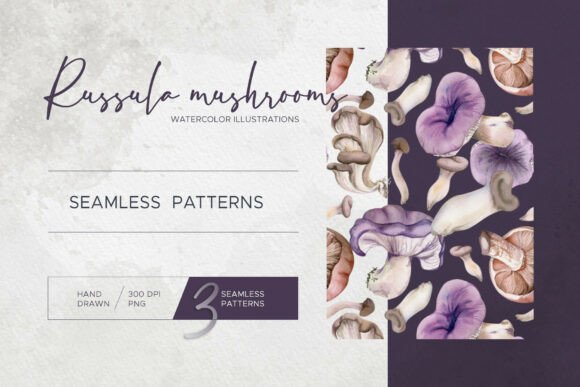
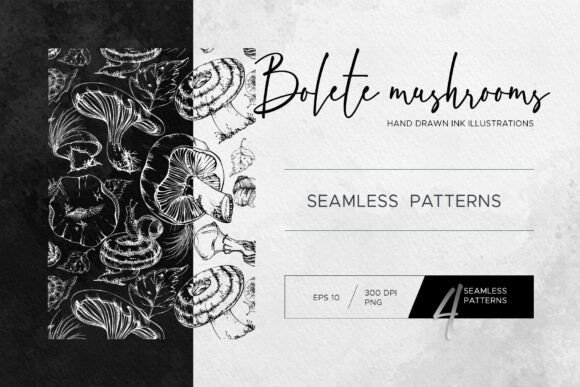
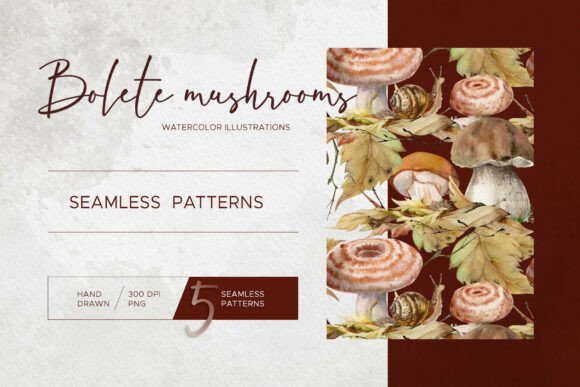
- 5 Seamless Patterns: These repeating designs allow for endless customization and application across different materials and sizes without visible edges.
- 9 Ready-Made Compositions: Perfect for quick use in branding, marketing, or product design, these pre-arranged images save time while maintaining artistic integrity.
Whether you're looking to create a brand identity rooted in nature or simply want to add a touch of autumn magic to your next project, these bolete mushroom illustrations provide a foundation of quality and inspiration.
Ideas for Creative Use
- Use seamless patterns for fabric printing in home goods or fashion accessories.
- Apply ready-made compositions to social media graphics for food blogs or artisan businesses.
- Create packaging that tells a story—each label could feature a different mushroom type with brief descriptions.
- Design themed sets for fall markets, including mug wraps, stickers, and canvas bags.
How Bolete Mushrooms Fit Into Modern Life
Today, there's a growing appreciation for natural aesthetics in both art and commerce. Consumers are increasingly drawn to brands that emphasize sustainability, authenticity, and craftsmanship. Bolete mushroom illustrations tap into this trend by offering a blend of educational value and visual appeal.
In the creative industries, these designs are valuable assets for:
- Graphic designers seeking to incorporate nature into their projects
- Artists interested in botanical illustration
- Business owners launching new product lines around seasonal themes
- Marketing teams looking to stand out with unique visuals
Moreover, in education and outreach, bolete mushroom illustrations can be used in science lessons, environmental campaigns, or even children’s books to teach about biodiversity and foraging ethics.
Connecting Creativity with Culinary Traditions
Boletes are not just visual delights; they're also deeply connected to culinary traditions around the globe. By showcasing them in your designs, you can honor and highlight these cultural links. Consider pairing each mushroom illustration with a corresponding recipe or historical note to deepen engagement and provide added value for your audience.
Common Misunderstandings About Bolete Mushrooms
Despite their popularity, boletes can sometimes be misunderstood. Here are a few common myths and facts to clarify:
- Myth: All boletes are safe to eat. Fact: While many boletes are edible, some can be toxic. Always consult a field guide or expert before consuming wild mushrooms.
- Myth: Boletes grow only in specific regions. Fact: They can be found in diverse environments across the Northern Hemisphere, from North America to Europe and Asia.
- Myth: Only the cap is useful in cooking. Fact: Both the cap and stem of boletes are commonly used, though the stem is often tougher and better suited for slow-cooked dishes.
Choosing the Right Bolete for Your Design Project
Each type of bolete has its own visual character. When selecting which mushrooms to feature in your designs, consider the mood and message you want to convey. For example:
- Use the bright orange Xerocomus for energetic, vibrant designs.
- Opt for the muted tones of Leccinum for a more subdued, earthy look.
- Choose the elegant Pluteus for minimalist or ethereal compositions.
By thoughtfully matching the mushroom species to your intended theme, you can create designs that resonate emotionally and aesthetically with your audience.
Conclusion: Elevating Your Projects with Bolete Mushroom Art
Bolete mushrooms are more than just a favorite ingredient in fall cooking—they are symbols of nature’s beauty, resilience, and harmony. Through hand-drawn watercolor illustrations, their form and function can be preserved and celebrated in a way that’s both educational and inspiring.
For creators, designers, educators, and entrepreneurs, these mushroom patterns and compositions offer a unique opportunity to connect with audiences through meaningful, nature-driven content. Whether you're crafting packaging for an artisan food line or designing a witchy-themed product set, the versatility of bolete mushroom illustrations ensures they can adapt to a wide range of creative visions.
Hello and welcome to my shop. Explore the collection of bolete mushroom illustrations and discover how these timeless fungi can enhance your next project. From seamless patterns to fully composed scenes, every element is crafted with care to reflect the richness of the autumn forest and the enduring appeal of wild mushrooms.