Pastel Grandmillennial Patterns: A Soft Touch of Nostalgia in Modern Design
Exploring the Charm and Versatility of Pastel-Inspired Digital Papers
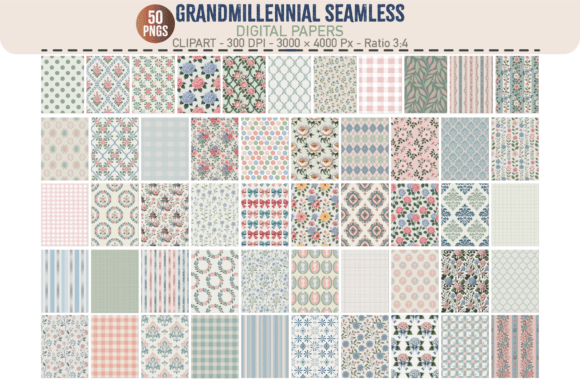
The world of design is ever-evolving, with trends cycling through bold, minimalist, retro, and everything in between. Among the most endearing and versatile styles to emerge in recent years are Pastel Grandmillennial Patterns. This aesthetic blends the soft hues of pastels with the timeless appeal of grandmillennial motifs—think vintage florals, delicate stripes, and classic damasks. These patterns offer a unique balance between nostalgia and modernity, making them ideal for both personal and professional creative projects.
Characteristics of Pastel Grandmillennial Patterns
At their core, Pastel Grandmillennial Patterns combine two key visual elements:
- Pastel Color Palettes: Featuring gentle shades like blush pink, mint green, lavender, and baby blue, these colors evoke warmth and tranquility without overwhelming the senses.
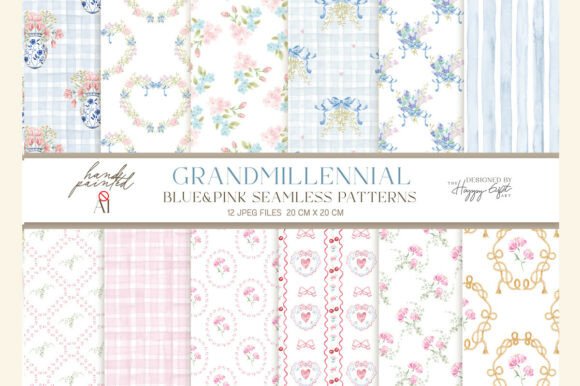
- Vintage Motifs: Incorporating traditional designs such as floral wreaths, lace details, toile prints, and subtle stripes, they bring a sense of history and elegance into contemporary spaces.
This combination results in seamless digital papers that feel both fresh and familiar. Each pattern is carefully crafted to maintain a soft, dreamy quality while retaining enough detail to be visually engaging. When working with these files, it's important to remember that different computer monitors may display the colors differently due to variations in screen calibration.
Advantages of Using Pastel Grandmillennial Patterns
The popularity of this style isn't just about aesthetics—it’s also rooted in practical benefits:
- Universal Appeal: The gentle tones and elegant motifs make these patterns suitable for a wide range of audiences, from children’s crafts to sophisticated branding materials.
- Seamless Repetition: Each file is designed to tile seamlessly, which means you can scale or repeat the pattern without visible breaks or distortions. The 20 cm x 20 cm format ensures consistency across different applications.
- High-Quality JPEG Format: These patterns are saved in JPEG files, which are widely compatible and easy to work with across various software platforms, including graphic design tools like Photoshop and Illustrator.
- Adaptability: Whether used in print or digital formats, these patterns retain their charm and clarity. They’re especially popular in scrapbooking, greeting cards, packaging, and web design.
Use Cases Across Different Industries
The beauty of Pastel Grandmillennial Seamless Patterns lies in their adaptability. Here are some common use cases where they shine:
Graphic Design and Branding
For designers looking to infuse warmth and personality into their work, these patterns provide a perfect backdrop. Their muted tones prevent them from clashing with text or logos, allowing for clean yet stylish layouts. In branding, especially for businesses targeting a mature demographic or those in the wellness and lifestyle sectors, these patterns add an air of sophistication and approachability.
Scrapbooking and Stationery
Scrapbook Paper U00267 and similar sets are staples for hobbyists and professionals alike. The intricate but subtle designs of these papers help create cohesive themes in handmade albums, planners, and greeting cards. The inclusion of vintage paper textures enhances the tactile experience, even in digital form.
Interior Design and Print Media
Grandmillennial design has found a home in interior spaces, particularly in boho-chic and cottagecore-inspired rooms. These patterns can be used on wallpaper, fabric prints, or as decorative accents in photo frames, calendars, and more. The soft coloration complements natural materials like wood and linen, creating a harmonious visual environment.
Educational and Children’s Materials
In educational settings, these patterns can be used to create engaging learning resources. Their whimsical nature appeals to younger audiences, making study guides, flashcards, and classroom decorations more inviting. Teachers and educators often appreciate how these designs can subtly enhance focus without distracting.
Considerations for Use
While the appeal of these patterns is undeniable, there are a few things to consider before incorporating them into your projects:
Color Accuracy
As mentioned earlier, colors may appear differently on various screens. Always verify the final output on physical media if color accuracy is crucial. Printing swatches or using proofing services can help ensure the pastel tones remain true to the original design.
Pattern Scaling
Because these patterns are created for a 20 cm x 20 cm format, careful attention should be paid when scaling them up or down. Maintaining the integrity of the design requires testing at multiple sizes to avoid unintended stretching or compression of elements.
Layering and Overprinting
These patterns are best used as background layers or subtle overlays. Overprinting too many layered patterns can result in visual clutter. Instead, pair one or two complementary designs to maintain clarity and cohesion.
Software Compatibility
Most digital papers, including those in the Pastel Grandmillennial Patterns collection, are compatible with standard design software. However, always check for specific requirements or recommended settings when importing JPEGs into your workflow. Some programs may require adjustment of resolution or color profiles for optimal results.
Trends and Cultural Relevance
The rise of the grandmillennial trend reflects a broader cultural shift toward embracing older aesthetics in new ways. Unlike traditional vintage styles, which can sometimes feel outdated, grandmillennial design incorporates historical elements with modern sensibilities. This makes it especially relevant in today’s market, where consumers seek authenticity and emotional resonance in their products.
Pastel Grandmillennial Patterns align perfectly with this movement. They offer a bridge between generations, appealing to those who value craftsmanship and nostalgia while maintaining a fresh, accessible look. As such, they’re increasingly being used in fashion, home décor, and even tech interfaces, proving their versatility and timelessness.
Combining Patterns for Creative Projects
One of the joys of working with these digital papers is the ability to mix and match. For instance, combining a vintage paper base with a stripes pattern overlay can create depth and interest without overwhelming the eye. Similarly, layering a floral pastel pattern with a watercolor texture can give a project a hand-painted, artisanal feel.
Here’s an example of how to use them effectively:
- Base Layer: A solid pastel background (e.g., mint green).
- Overlay: A floral or toile pattern in a lighter shade for subtlety.
- Accents: Add a watercolor texture or a thin stripe pattern to break up large sections and guide the viewer’s eye.
Implementing in Real-World Workflows
Whether you're a seasoned designer or a hobbyist just starting out, integrating these patterns into your workflow can be straightforward. Begin by unzipping the folder named “Pastel Grandmillennial Patterns,” which typically contains 12 JPEG files. From there, select the pattern(s) that best suit your project’s theme and mood.
For digital projects:
- Import the selected pattern into your design software.
- Adjust the opacity if needed to blend with other elements.
- Scale appropriately and test how it looks across different devices or print outputs.
- Ensure your printer supports high-resolution JPEG printing.
- Print a small sample to assess color and texture fidelity.
- Make adjustments to brightness or contrast if necessary before mass production.
Examples of Application
To illustrate their real-world relevance, here are a few examples of how these patterns have been used successfully:
- Wedding Invitations: A pastel floral pattern paired with gold foil text gives a romantic, vintage-inspired touch.
- Home Décor Prints: Watercolor seamless patterns serve as elegant backgrounds for framed art or wall calendars.
- Product Packaging: Striped or toile patterns printed on kraft paper boxes create a charming, artisanal effect.
- Website Headers: Subtle pastel patterns behind text headers can add visual interest without affecting readability.
Choosing the Right Pattern for Your Needs
With so many options available, selecting the right Pastel Grandmillennial Pattern depends on your project’s purpose and audience. Ask yourself the following questions:
- Is the design intended to evoke a sense of nostalgia?
- Does it need to be legible when overlaid with text or images?
- Will it be used digitally or in print?
- What kind of emotional tone do I want to convey?
By considering these factors, you can choose a pattern that enhances rather than detracts from your message. For instance, a delicate lace pattern might be perfect for a boutique’s website, while a bolder floral could work well in a seasonal promotional poster.
Future of Pastel Grandmillennial Design
As trends continue to evolve, the future of grandmillennial aesthetics appears bright. With a growing emphasis on sustainability and meaningful design, these patterns offer a way to connect with the past while staying current. Their ability to blend seamlessly into both digital and physical environments ensures their continued relevance in creative fields.
Designers are also experimenting with hybrid styles, merging Pastel Grandmillennial Patterns with other trends like minimalism and maximalism. This fusion creates exciting new visual languages that cater to diverse tastes and needs.
Conclusion
Pastel Grandmillennial Patterns represent more than just a fleeting trend—they embody a thoughtful return to design elements that have stood the test of time. By combining the elegance of vintage motifs with the calming presence of pastel tones, they open up a world of creative possibilities for anyone looking to add a touch of warmth and sophistication to their work.