Colorful Lacy and Knitted Patterns Backgrounds: A Versatile Design Element
Colorful lacy and knitted patterns backgrounds have become a popular choice in the design world due to their unique ability to blend elegance with warmth. These intricate yet inviting textures offer a bridge between classic craftsmanship and modern digital creativity. Whether you're designing for print or online platforms, incorporating such backgrounds can elevate your work with a touch of sophistication and coziness.
What Makes Lacy and Knitted Patterns So Appealing?
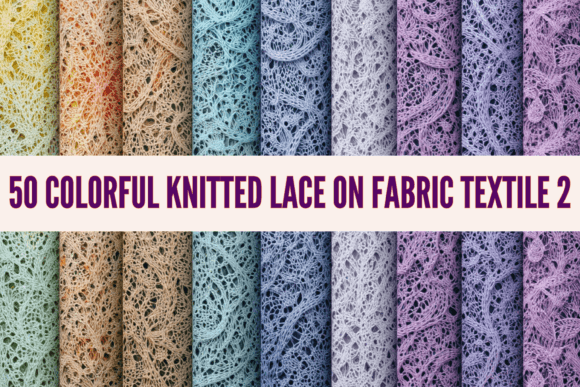
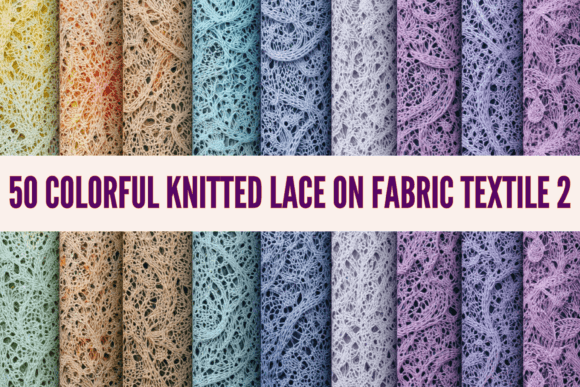
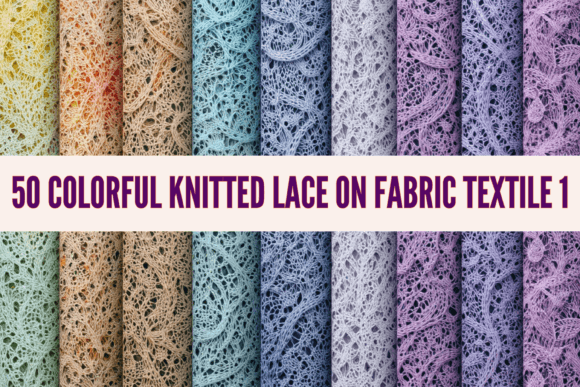
The charm of Lacy and Knitted Patterns Background 1 lies in its delicate detailing and tactile appearance. Lacy backgrounds often feature floral motifs, scalloped edges, and geometric designs that mimic the fine artistry of hand-embroidered fabrics. They evoke a sense of vintage beauty while remaining adaptable to current trends. When infused with vibrant hues, these patterns gain a new dimension—offering visual interest without overwhelming the content they support.
Knitted pattern backgrounds, on the other hand, bring a softness and texture reminiscent of cozy sweaters and handmade blankets. The subtle interplay of loops and stitches adds depth and character, making them perfect for creating a warm and inviting atmosphere in any design project. By using bold colors like deep reds, forest greens, or even gradients, knitted backgrounds can easily transition from casual to elegant depending on the context.
Versatility Across Industries and Projects
One of the standout qualities of colorful lacy and knitted patterns is their versatility. From stationery to packaging, and from social media graphics to web design, these backgrounds serve as an excellent foundation for a variety of applications. Their adaptability allows designers to tailor them to different themes and styles, ensuring they fit seamlessly into diverse projects.
- Stationery and Invitations: Delicate lace patterns are ideal for wedding invitations, greeting cards, and thank-you notes. Adding a splash of color enhances their appeal while maintaining a refined look.
- Web Design: In website headers or background sections, these patterns add visual texture without hindering readability. Subtle color variations help guide the user’s eye and create a welcoming interface.
- Social Media Graphics: With the rise of seasonal marketing and lifestyle branding, knitted backgrounds in festive colors provide a personal and engaging feel. They’re especially effective during holidays like Christmas or Valentine's Day.
- Print Materials: Brochures, posters, and flyers benefit from the added warmth and elegance of lacy or knitted textures. Color choices can reflect brand identity or event themes, enhancing the overall message.
Designing with Modern Color Palettes
While traditional lacy and knitted patterns were once limited to monochrome or muted tones, today’s versions embrace a wide spectrum of colors. This shift aligns with modern design sensibilities where personality and vibrancy play a key role. Colorful lacy and knitted patterns backgrounds now come in pastel shades, jewel tones, and even neon accents, allowing for creative expression across different industries.
For example, a boutique fashion brand might use a pastel pink lace pattern background to showcase a spring collection, while a winter-themed product page could leverage deep emerald and burgundy knitted textures. The key is to choose colors that complement your primary content and reinforce your brand’s aesthetic. Tools like Adobe Photoshop or free resources on sites like Canva allow for easy customization and layering of these backgrounds with text or images.
Creating Depth and Dimension
A major advantage of using Lacy and Knitted Patterns Background 1 is how it adds depth and dimension to flat designs. Unlike solid-colored backgrounds, which can appear stark and lifeless, these textured options introduce movement and interest. The subtle shadows and raised areas in the patterns give the illusion of physicality, making digital elements more relatable and engaging.
This effect is particularly beneficial in e-commerce environments. Product pages with a lacy or knitted background can feel more intimate and high-quality, encouraging customer trust and interaction. Additionally, when used in blog layouts or editorial content, these patterns contribute to a comfortable reading experience by breaking up large blocks of text and adding visual rhythm.
Practical Tips for Using These Backgrounds Effectively
While the allure of colorful lacy and knitted patterns is undeniable, there are several practical considerations to keep in mind when integrating them into your designs:
- Contrast is Key: Ensure that your foreground elements (text, images, logos) contrast well with the background. If the pattern is too busy or the colors clash, readability may suffer. For instance, if you're using a turquoise blue lacy pattern, opt for white or cream-colored text for clarity.
- Balance Visual Elements: Don’t overdo it. While these patterns are visually rich, they should enhance—not dominate—the overall design. Use them sparingly in headers or sidebars rather than covering the entire layout.
- Consider Resolution: Since lace and knitting patterns can be detailed, always use high-resolution images to avoid pixelation. Low-quality backgrounds can detract from the perceived professionalism of your design.
- Match Branding: Align the colors and style of the background with your brand guidelines. A mismatched or overly decorative pattern can confuse your audience or dilute your brand message.
By following these tips, you can ensure that your design remains both aesthetically pleasing and functionally sound.
How to Choose the Right Pattern for Your Project
Selecting the right lacy or knitted pattern depends largely on the purpose and tone of your project. Here are some factors to consider before finalizing your choice:
- Target Audience: Younger audiences might prefer playful, bright patterns, while professional settings may call for more subdued and elegant designs.
- Seasonal Themes: Think about the time of year. Bright yellows and oranges work well for summer promotions, whereas cool blues and whites suit winter events.
- Content Type: Text-heavy layouts need less intense patterns, while image-based designs can handle more complexity.
- Platform Requirements: Web versus print has different needs. Online designs should prioritize file size and loading speed, while print materials require higher resolution and color accuracy.
If you're unsure where to start, many design platforms offer templates that already integrate these types of backgrounds. You can customize them further by adjusting the opacity or blending modes to achieve the desired balance.
Incorporating Texture Without Overcomplicating the Design
Texture plays a crucial role in making a design feel tactile and authentic. However, it's important not to let the background overpower the rest of the layout. Lacy and Knitted Patterns Background 1 is a great option because it provides just enough detail to add interest without becoming distracting.
One way to manage this is by using semi-transparent overlays or applying a subtle blur to the pattern so it sits quietly behind the main content. Another technique involves layering multiple patterns together—perhaps combining a light lacy pattern with a darker knitted one—to create a more dynamic yet cohesive background.
These methods help maintain a clean and organized look, especially in web design and app interfaces where usability is paramount. The goal is to make the background feel like part of the design story, not the star of the show.
Real-World Examples and Applications
To better understand how these backgrounds can be applied, here are a few real-world examples:
- Wedding Invitations: A soft lavender lace background paired with gold foil lettering gives a romantic and luxurious feel.
- Fashion Blogs: Knitted pattern backgrounds in neutral tones can highlight product photos or model shots without clashing.
- Restaurant Menus: A warm orange knitted background can evoke feelings of comfort and home-cooked meals, perfect for a café or bistro theme.
- Home Decor Websites: These backgrounds mirror the textures of actual products, helping customers visualize the items in a real-life setting.
Each of these uses highlights how Lacy and Knitted Patterns Background 1 can be adapted to different niches and purposes, proving their value beyond aesthetics alone.
Where to Find and How to Customize These Backgrounds
If you're looking to incorporate these patterns into your next project, there are plenty of resources available. Many stock image websites offer downloadable lacy and knitted pattern backgrounds in various colors and resolutions. Some even provide layered files for easy editing in design software.
For those who prefer a more hands-on approach, creating your own patterns is also possible. Tools like Procreate or GIMP allow you to draw custom lace or stitch effects and apply color gradients or overlays. This method is especially useful if you want to match a specific brand palette or design theme.
Additionally, don’t overlook the potential of AI-generated design tools. Some platforms can generate realistic lacy or knitted textures based on your input, saving time and offering unique results tailored to your vision.
Matching Trends and Staying Timeless
Colorful lacy and knitted patterns backgrounds sit at the intersection of trend and tradition. While the resurgence of cottagecore and hygge-inspired aesthetics has brought them back into the spotlight, their timeless nature ensures they remain relevant long after the trend fades.
Designers who focus on versatile and timeless aesthetics often find that these patterns age gracefully, especially when used in minimalist layouts. A simple white logo on a soft yellow knitted background, for instance, feels nostalgic yet fresh—a balance that’s hard to achieve with more modern styles.
As consumer preferences continue to evolve toward authenticity and handmade aesthetics, incorporating these patterns can help your designs resonate on a deeper level. They signal attention to detail and a connection to heritage crafts, which many users appreciate.
Final Thoughts on Choosing the Right Background
When selecting a background for your next design, consider how much impact you want it to have. Lacy and Knitted Patterns Background 1 offers a middle ground—enough visual intrigue to stand out but not so much that it distracts from the main message. Its combination of delicate textures and vibrant colors makes it a powerful tool in the designer’s arsenal.
Whether you're working on a small business brochure or a large-scale campaign, taking the time to explore these patterns can yield surprising results. Experiment with different colors, opacities, and placements to discover what works best for your project. Remember, the best designs are those that feel intentional and harmonious, and colorful lacy and knitted patterns can be the perfect ingredient to achieve that balance.